
OCTAVO DOMINGO DESPUÉS DE TRINIDAD
Rechaza el fruto de plástico de un evangelio que se trata de ti, y deléitate en el fruto verdadero del Evangelio que se trata de Cristo.
Resumen del sermon predicado por: Rev. James Neuendorf
Textos: Jeremías 23:16–29, Hechos 20:27–38, Mateo 7:15–23
IHS:
Quizás, si no hubiera estado completamente solo, la gente se habría preguntado por qué miraba fijamente el frutero. Era temprano en la mañana de nuestro vuelo de regreso a Puerto Rico y sabía que podría ser mi única oportunidad de desayunar algo en el vestíbulo del hotel, pero la fruta se veía tan apetitosa que no estaba seguro si era real o de plástico. ¡Qué vergonzoso sería si resultara que estaba intentando comerme un adorno del hotel! Nuestra vida de fe nos presenta una versión mucho más seria de este dilema. Jesús nos advierte sobre los falsos profetas, cuyas enseñanzas parecen atractivas pero son veneno espiritual. Él nos dice que debemos aprender a distinguir el fruto vivificante de la verdad de la imitación mortal, porque nuestra vida eterna depende de ello.
¿Cómo distinguimos la diferencia cuando ambos pueden parecer tan buenos en la superficie? El desafío es que los falsos profetas rara vez lo parecen. No anuncian su engaño. Al contrario, usan palabras religiosas, citan la Biblia y pueden parecer pilares de la comunidad. Pensemos en los sacerdotes y fariseos en tiempos de Jesús; poseían las Escrituras, dirigían la adoración y tenían toda la apariencia de santidad, pero rechazaron al Dios vivo que estaba de pie ante ellos. Ofrecían un fruto podrido de un árbol enfermo. Jesús nos da la prueba definitiva: «por sus frutos los conocerán».
El fruto de un maestro es su mensaje. Entonces, ¿cuál es el fruto de un verdadero profeta? Es un mensaje que te aparta de ti mismo y te dirige directamente a Jesucristo. La verdadera enseñanza nunca ignora la dura realidad de nuestro pecado y su costo devastador. No te adula ni te dice que busques la salvación en tu propia fuerza, tus buenas intenciones o tus sentimientos. En cambio, confiesa humildemente que estamos perdidos y nos señala al único que puede salvarnos. Un falso profeta, por el contrario, siempre te dirige de vuelta a ti mismo: a tus obras, a tu poder, a tu orgullo.
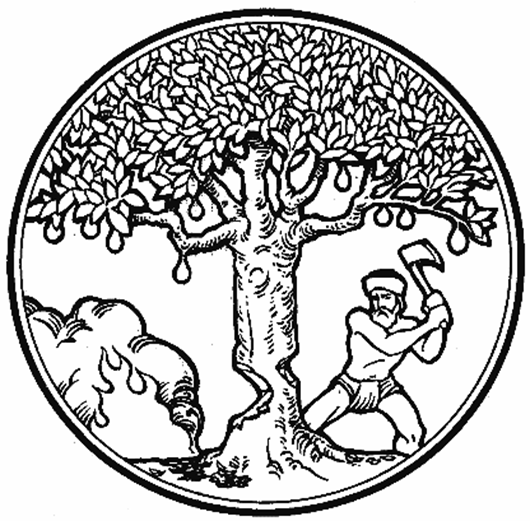
Contemplen la cruz; ese es el Árbol Verdadero, y de él pende el fruto que da más vida. Allí vemos el fruto aterrador de nuestro pecado: el juicio, la agonía, la muerte que merecemos. Toda verdadera predicación debe comenzar allí, mostrándonos la gravedad de nuestra condición. Pero en ese mismo árbol, vemos el fruto glorioso del amor de Dios. Vemos el sacrificio de Jesús, quien tomó nuestro lugar para pagar nuestra deuda y ofrecernos el perdón completo.
La verdadera predicación no nos deja condenados por nuestro pecado; nos lleva a la cruz para recibir el dulce fruto de la gracia, la misericordia y la paz con Dios. La verdadera predicación comienza y termina con la realidad de Cristo en la Cruz por ti. No se conformen con el fruto de plástico de un evangelio que excusa el pecado e infla su ego. Ese camino solo conduce al sabor amargo de la muerte. Busquen y deléitense con el verdadero fruto del Evangelio, que habla con sinceridad del pecado y del arrepentimiento, y luego proclama la dulzura del perdón en Jesucristo. Este es el fruto que nutre, que sana y que da vida eterna. Es el fruto que nuestro Señor mismo nos da, un regalo de pura gracia. Come del arbol de la vida eterna!
Oh Dios, que en tu misericordia nos has dado el fruto verdadero y vivificante del Evangelio en tu Hijo, Jesucristo, concédenos corazones sabios para rechazar el atractivo engañoso de las falsas enseñanzas que nos dirigen hacia nosotros mismos, y para aferrarnos fielmente al mensaje de la cruz; para que, siendo alimentados por tu pura gracia, hallemos el perdón de nuestros pecados y nos deleitemos en la promesa de la vida eterna; por el mismo Jesucristo, nuestro Señor, que vive y reina contigo y el Espíritu Santo, un solo Dios, ahora y por los siglos de los siglos. Amén.
ENGLISH TRANSLATION
Sixth Sunday after Trinity
Reject the plastic fruit of a gospel about yourself, and feast on the true fruit of the Gospel about Christ.
By: Rev. James Neuendorf
Texts: Jeremiah 23:16–29, Acts 20:27–38, Matthew 7:15–23
IHS:
Perhaps, if I wasn’t all alone, people might have wondered why I was staring at the fruit bowl. It was early in the morning of our flight back to Puerto Rico and I knew it might be my only chance for getting any breakfast in the hotel lobby, but the fruit looked so good I wasn’t sure if it was real or was made of plastic. How embarrassing it would be if it turned out that I was trying to eat a hotel display!
Our life of faith presents a far more serious version of this dilemma. Jesus warns us about false prophets whose teachings look appealing but are spiritual poison. He tells us we must learn to distinguish the life-giving fruit of truth from the deadly imitation, because our eternal life depends on it. How do we tell the difference when both can look so good on the surface? The challenge is that false prophets rarely look the part. They don’t announce their deception. Instead, they use the religious words, quote the Bible, and can appear as pillars of the community. Think of the priests and Pharisees in Jesus's time; they held the Scriptures, led the worship, and had all the appearances of holiness, yet they rejected the living God standing before them. They offered rotten fruit from a diseased tree.
Jesus gives us the ultimate test: "by their fruits you will know them." The fruit of a teacher is their message. So, what is the fruit of a true prophet? It is a message that points you away from yourself and directly to Jesus Christ. True teaching never ignores the hard reality of our sin and its devastating cost. It doesn't flatter you or tell you to look to your own strength, your good intentions, or your feelings for salvation. Instead, it humbly confesses that we are lost and points us to the only one who can save us. A false prophet, in contrast, always points you back to yourself; your works, your power, your pride.
Behold the cross; that is the True Tree, and on it hangs the most life giving fruit. There, we see the terrifying fruit of our sin; the judgment, the agony, the death we deserve. Any true preaching must start there, showing us the gravity of our condition. But on that very same tree, we see the glorious fruit of God’s love. We see the sacrifice of Jesus, who took our place to pay our debt and offer us complete forgiveness. True preaching doesn't leave us condemned by our sin; it leads us to the cross to receive the sweet fruit of grace, mercy, and peace with God. True preaching begins and ends with the reality of Christ on the Cross for you.
Do not settle for the plastic fruit of a gospel that excuses sin and inflates your ego. That path only leads to the bitter taste of death. Seek out and feast on the true fruit of the Gospel, which speaks honestly of sin and repentance, and then proclaims the sweetness of forgiveness in Jesus Christ. This is the fruit that nourishes, that heals, and that gives eternal life. It is the fruit our Lord Himself gives, a gift of pure grace. Eat of the tree of life!
Amen.
O God, who in your mercy has given us the true and life-giving fruit of the Gospel in your Son, Jesus Christ, grant us discerning hearts to reject the deceptive allure of false teachings that point us to ourselves, and to cling faithfully to the message of the cross; that, being nourished by your pure grace, we may find forgiveness for our sins and feast on the promise of eternal life; through the same Jesus Christ, our Lord, who lives and reigns with you and the Holy Spirit, one God, now and forever. Amen.