
La Iglesia Primitiva
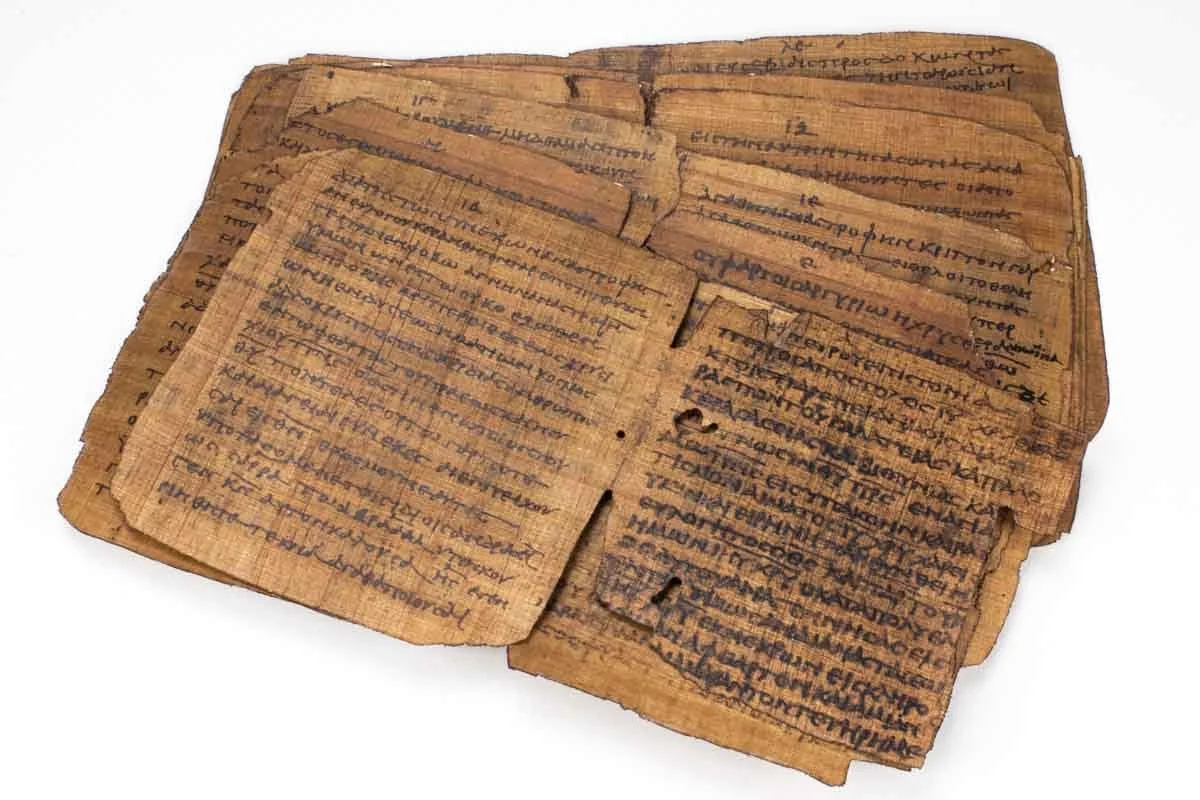
100-200 A.D
Los Padres Apostólicos
Overview:
The Second Century, a pivotal era in the development of Christianity, witnessed both internal and external challenges that shaped the future course of the Church. The Second Century saw the continuation of Roman persecution of Christians, albeit sporadic in nature. While not as systematic or widespread as the persecutions that would follow in later centuries, these early acts of hostility demonstrated the persistent threat that the Roman state posed to the burgeoning Christian faith.
During this time, the leadership of the Church transitioned from the Apostles to the Apostolic Fathers. These individuals, who had learned directly from the Apostles, played a crucial role in guiding and nurturing the early Christian communities as they grappled with theological questions, developed organizational structures, and faced external persecution.
As the century progressed, a new generation of Christian leaders emerged – the Apologists. These learned individuals responded to the growing literary attacks against Christianity from pagan intellectuals and sought to present a reasoned defense of their faith to the Roman world. Their writings, aimed at both emperors and the general public, addressed common misconceptions about Christianity, refuted accusations of disloyalty to the state, and highlighted the moral and intellectual superiority of the Christian faith over pagan beliefs and practices.
Internally, the Church grappled with the rise of heresies, particularly Gnosticism and Docetism, which challenged the core beliefs of Christianity. Gnosticism, with its dualistic worldview and belief in a hierarchy of gods, undermined the Christian doctrines of creation, the Incarnation, and the Trinity. Docetism, an offshoot of Gnosticism, denied the reality of Christ's humanity, arguing that his physical form was a mere illusion. These heresies forced the Church to define its doctrines more clearly and to develop a more robust theological framework to defend its beliefs.
Marcion, a prominent figure in the Second Century, further challenged the Church by creating his own version of Scripture that rejected the Old Testament and parts of the New Testament. This action spurred early Church leaders to define and establish the canon of Scripture, the collection of writings that would be recognized as divinely inspired and authoritative for Christian belief and practice.
The challenges of the Second Century – persecution, heresy, and the need for a unified understanding of Scripture – led to a gradual process of institutionalization within Christianity. The development of the canon of Scripture, the formulation of creeds to summarize and defend core doctrines, and the increasing prominence of the clergy, particularly bishops, as guardians of the faith and leaders of the Church, all contributed to this process. This institutionalization, while sometimes viewed with ambivalence, served to protect and promote the growth and development of Christianity. It provided a framework for the transmission of the faith across generations and cultures, ensuring the continuity and integrity of the Christian message amidst the uncertainties and complexities of the Roman world.
Roman Persecutions
The Roman persecutions of the Second Century, while not systematic, were significant events that shaped the character and resilience of the early Church. Under emperors like Trajan and Hadrian, Christians faced legal challenges and occasional outbreaks of violence, often fueled by local prejudices or accusations of disloyalty to the state.
A notable instance of persecution occurred under Marcus Aurelius, a philosopher-emperor whose reign (161-180) witnessed a surge in hostility toward Christians. The persecutions under Marcus Aurelius were more widespread and systematic than those under his predecessors, reflecting a growing perception among Roman authorities that Christianity posed a threat to the social and political order of the empire.
Despite facing legal restrictions and periodic outbursts of violence, Christianity continued to spread throughout the Roman world. The faith's appeal to people from all walks of life, its message of hope and salvation, and the courage and conviction of its adherents, all contributed to its resilience in the face of persecution. The blood of the martyrs, as the early Church believed, became the seed of the Church, further fueling its growth and expansion despite the efforts of Roman authorities to suppress it.
The Transition from Apostolic Fathers to Apologists
The Second Century witnessed a crucial transition in Christian leadership, from the Apostolic Fathers to the Apologists. The Apostolic Fathers, individuals like Clement of Rome, Ignatius of Antioch, and Polycarp of Smyrna, were the direct successors of the Apostles, having learned from them and witnessed firsthand the events surrounding the life, death, and resurrection of Jesus.
These men played a vital role in consolidating the early Church, establishing its organizational structure, addressing theological questions, and providing pastoral guidance to the scattered Christian communities. Their writings, though primarily focused on practical matters of faith and conduct, laid the foundation for the Church's future development.
As Christianity spread and encountered the intellectual currents of the Greco-Roman world, a new generation of leaders emerged – the Apologists. These individuals, such as Justin Martyr, Tatian, and Athenagoras, were well-versed in both Christian and pagan philosophy and sought to defend their faith against the growing literary attacks from pagan intellectuals.
The Apologists employed reason and logic to refute accusations against Christianity, to explain and defend Christian beliefs, and to demonstrate the moral and intellectual superiority of the Christian faith over paganism. They addressed their writings to Roman emperors, government officials, and the educated public, seeking to gain a fair hearing for Christianity and to dispel the misconceptions and prejudices that fueled persecution.
The transition from the Apostolic Fathers to the Apologists reflects the evolving challenges and opportunities facing the early Church. As Christianity grew and interacted with the broader intellectual and cultural landscape of the Roman Empire, its leaders needed to adapt their approach to meet the demands of the time. The Apologists, with their skills in philosophy and rhetoric, provided an essential bridge between the Christian faith and the intellectual elite of the Roman world, laying the groundwork for the eventual acceptance of Christianity as a legitimate religion within the empire.
Gnosticism, Docetism, and the Development of Christian Doctrine
The Second Century witnessed a surge in heretical movements that challenged the core tenets of Christianity. Gnosticism and Docetism, two prominent heresies of the time, drew upon a blend of Christian and pagan ideas to reinterpret the nature of God, the world, and salvation.
Gnosticism, a belief system that predated Christianity, held that the material world is inherently evil, created by a lesser or even malevolent deity. In contrast, the spiritual realm was seen as pure and perfect, emanating from a supreme and transcendent God. Gnostics believed that salvation could be achieved through "gnosis," a special knowledge or insight into the true nature of reality, which would liberate the soul from its imprisonment in the material world.
Christian Gnostics sought to integrate Gnostic ideas into the Christian faith, often reinterpreting the person and work of Jesus. They viewed Jesus as a divine emissary sent from the supreme God to impart this secret knowledge to humanity, enabling them to escape the clutches of the evil creator god and ascend to the spiritual realm.
Docetism, an offshoot of Gnosticism, took this rejection of the material world a step further by denying the reality of Christ's humanity. Docetists argued that Jesus only appeared to have a physical body, but in reality, his human form was a mere illusion. They believed that a truly divine being could not possibly be tainted by contact with the material world.
Both Gnosticism and Docetism posed significant challenges to the early Church, forcing Christian leaders to define and defend the core tenets of the faith more clearly. The Church responded to these heresies by:
Developing the canon of Scripture: The Church recognized the need for a definitive collection of writings that would serve as the authoritative source of Christian teaching and belief. The canon, which gradually emerged through a process of discernment and consensus within the Church, provided a bulwark against heretical interpretations of Scripture.
Formulating creeds: Early Church leaders began to codify the essential doctrines of the faith into concise statements of belief, known as creeds. These creeds served as a standard of orthodoxy, helping to distinguish true Christian teaching from heretical deviations.
Emphasizing the importance of apostolic tradition: The Church appealed to the teachings and practices of the Apostles as the normative standard for Christian belief and practice. This emphasis on apostolic tradition served to safeguard the faith from novel interpretations that contradicted the original teachings of Jesus and his followers.
The struggle against Gnosticism and Docetism played a crucial role in shaping the development of Christian doctrine and the institutional structure of the Church. It forced the Church to articulate its beliefs more precisely, to establish clear boundaries between orthodoxy and heresy, and to develop mechanisms for preserving and transmitting the faith across generations and cultures.
Marcion and the Canon of Scripture
Marcion, a wealthy ship owner and theologian from Pontus in Asia Minor, played a controversial role in the development of the Christian canon of Scripture during the Second Century. Marcion, influenced by Gnostic ideas, rejected the Old Testament as the work of an evil creator god and sought to create a new canon of Scripture that reflected his beliefs.
Marcion's canon included a heavily edited version of Luke's Gospel, which he believed to be the only authentic account of Jesus's life and teachings, and ten of Paul's epistles, which he interpreted through his own distinctive theological lens. Marcion's rejection of the Old Testament and his selective use of the New Testament texts sparked a major controversy within the early Church.
The Church responded to Marcion's challenge by:
Affirming the unity and authority of both the Old and New Testaments: Christian leaders rejected Marcion's dualistic view of God and his attempt to separate the two testaments. They argued that the Old Testament, though containing laws and rituals that were no longer binding for Christians, provided the essential historical and theological foundation for understanding the person and work of Jesus Christ.
Developing a more definitive canon of Scripture: Marcion's challenge spurred the Church to accelerate its efforts to establish a clear and authoritative list of writings that would be recognized as divinely inspired and authoritative for Christian belief and practice. The Church's response to Marcion's challenge ultimately led to the formation of the New Testament canon as we know it today, a collection of twenty-seven books that have been recognized as the inspired Word of God by Christians throughout history.
Canon, Creed, Clergy: The Institutionalization of Christianity
The Second Century marked a significant turning point in the history of Christianity, as the Church began to develop a more defined institutional structure. This process of institutionalization, driven by the need to preserve and transmit the faith, to defend against heresies, and to provide stability and unity in a rapidly changing world, manifested itself in three key areas: canon, creed, and clergy.
Canon: The development of the canon of Scripture, a process that had been ongoing since the early decades of the Church, gained urgency in the Second Century in response to the challenges posed by figures like Marcion. The Church recognized the need for a clear and authoritative collection of writings that would serve as the foundation for Christian teaching and belief.
Through a process of discernment and consensus, guided by the Holy Spirit, the Church gradually identified the books that were considered to be divinely inspired and worthy of inclusion in the canon. This process took centuries to complete, but the groundwork was laid in the Second Century as the Church grappled with the need to define the boundaries of authentic Christian Scripture.
Creed: The formulation of creeds, concise statements of belief that summarized the essential doctrines of the faith, also began to take shape in the Second Century. These creeds, often used in baptismal liturgies and as a means of instruction, served as a standard of orthodoxy, helping to distinguish true Christian teaching from heretical deviations.
Early creeds, such as the Apostles' Creed, focused on the core beliefs of Christianity, including the Trinity, the Incarnation, the death and resurrection of Jesus, and the future judgment. The development of creeds reflected the Church's growing awareness of the need to articulate its beliefs clearly and concisely in response to the challenges of heresy and misunderstanding.
Clergy: The role of the clergy, particularly bishops, became increasingly prominent in the Second Century. Bishops, who had initially served as overseers of local congregations, gradually assumed greater authority and responsibility as guardians of the faith, teachers of doctrine, and administrators of church affairs.
The development of the episcopacy, a hierarchical structure of church government with bishops at its head, provided a measure of stability and unity for the Church in a time of persecution and doctrinal controversy. Bishops, who were believed to be successors of the Apostles, served as a link to the original teachings and authority of Jesus, ensuring the continuity and integrity of the Christian message across generations.
The institutionalization of Christianity in the Second Century, through the development of the canon, creeds, and the clergy, was a complex and multifaceted process. It represented both a response to external pressures, such as persecution and heresy, and an internal evolution as the Church sought to preserve and transmit its faith in a rapidly changing world.
This institutionalization, while sometimes criticized for its potential to stifle creativity and limit individual freedom, ultimately served to protect and promote the growth and development of Christianity. It provided a framework for the transmission of the faith across generations and cultures, ensuring the continuity and integrity of the Christian message amidst the uncertainties and complexities of the Roman world.